
Alterations to your property landscape often require a clear understanding of local earthmoving guidelines to avoid costly mistakes. Homeowners frequently want to level out a backyard or prepare a clean site for a brand-new driveway. To complete these tasks legally, residents must follow the official excavation rules and regulations set out by local authorities.
At Ryno Hire, we have spent years helping Brisbane DIYers navigate local earthworks projects with our dry hire machinery fleet. We know that clear knowledge of these rules ensures your project remains completely safe and compliant. Anyone wondering if you need a permit for excavation in Brisbane will find that minor earthworks generally do not require paperwork. However, an operational works permit from the Brisbane City Council becomes necessary if your cutting or filling work exceeds a depth or height of 1 metre.
Property owners should check specific land requirements before booking any earthmoving machinery, which prevents unexpected project delays. The official city framework outlines exactly how these different types of digging approvals keep residential neighbourhoods structured and uniform. Reviewing these codes early gives every DIY enthusiast the confidence to manage their earthmoving tasks without legal issues.
Quick Summary: Do You Need an Excavation Permit?
Permits are generally NOT required if:
- Your earthworks are minor, stay within your property boundaries, avoid protected vegetation, and do not cross the local depth thresholds.
Permits are generally REQUIRED if:
- Your project alters natural ground levels beyond standard guidelines, impacts the structural integrity of adjacent properties, or involves significant clearing. Always verify your specific site conditions directly against current Brisbane City Council requirements before you start digging.
How to Handle Brisbane Excavation Rules and Regulations for Your Next DIY Project
Every successful backyard project requires proper preparation and an understanding of the excavation rules and regulations that apply to your specific plot of land. Many property owners assume that small backyard alterations can proceed without formal checks. Getting a clear view of local laws helps you avoid major issues with council officers later on.
Essential Preparation Steps
- Measure Your Depths: Document the natural ground level before your machine arrives to track your vertical cuts accurately.
- Identify Soil Types: Look closely at the clay or sandy texture of your soil, as this changes how stable your trench walls will remain.
- Map the Slopes: Factor in how moving dirt on a hill impacts the overall water runoff patterns during heavy rain storms.
- Select Suitable Gear: Choose a compact machine that can easily manoeuvre through side gates without disturbing adjacent topsoil.
A successful project always begins with a clear plan for the exact depth, location, and purpose of your earthworks. Renting heavy machinery makes the physical labour fast, but the preparation work remains your responsibility. Ensuring your plans align with local rules keeps your home environment safe for family members and neighbours alike.
Smart machinery selection ensures you meet these council standards without over-complicating your task. A high-quality dumper hire can move materials efficiently across small spaces while keeping your overall ground disturbance minimal. Matching your equipment to the specific depth limits allows you to stay within the safe, non-permit boundaries.
Understanding the Main Value of Council Compliance Before You Dig
Following local building and earthmoving standards saves property owners from significant long-term legal and financial stress. Unapproved digging can accidentally weaken the land under your home or cause major drainage issues for the people living next door. Staying within the official limits protects the value of your property and keeps your structures sound.
Risks of Non-Compliant Digging
- Council Penalties: On-site inspectors can issue heavy stop-work orders and immediate fines for unpermitted backyard cutting.
- Utility Ruptures: Striking underground water mains, gas feeds, or electrical lines introduces severe community safety hazards.
- Insurance Cancellations: Standard property cover often becomes entirely void if structural adjustments lack formal council approval signs.
- Property Sale Delays: Future buyers regularly request historical certificate records, stalling sales if past earthworks lack paperwork.
Property lines often contain shared service lines that require protection during heavy digging work. Damaging public infrastructure can lead to massive repair bills that fall directly on the homeowner. By researching local rules first, you guarantee that your project respects the community grid.
If you build a solid base for your project, you ensure your landscape changes endure for many years. Utilizing professional compaction hire options allows you to settle the soil correctly after any earthmoving task. This structural step keeps your ground flat and prevents future soil sinking or shifting issues.
Determining When an Excavation Permit is Required for Residential Properties
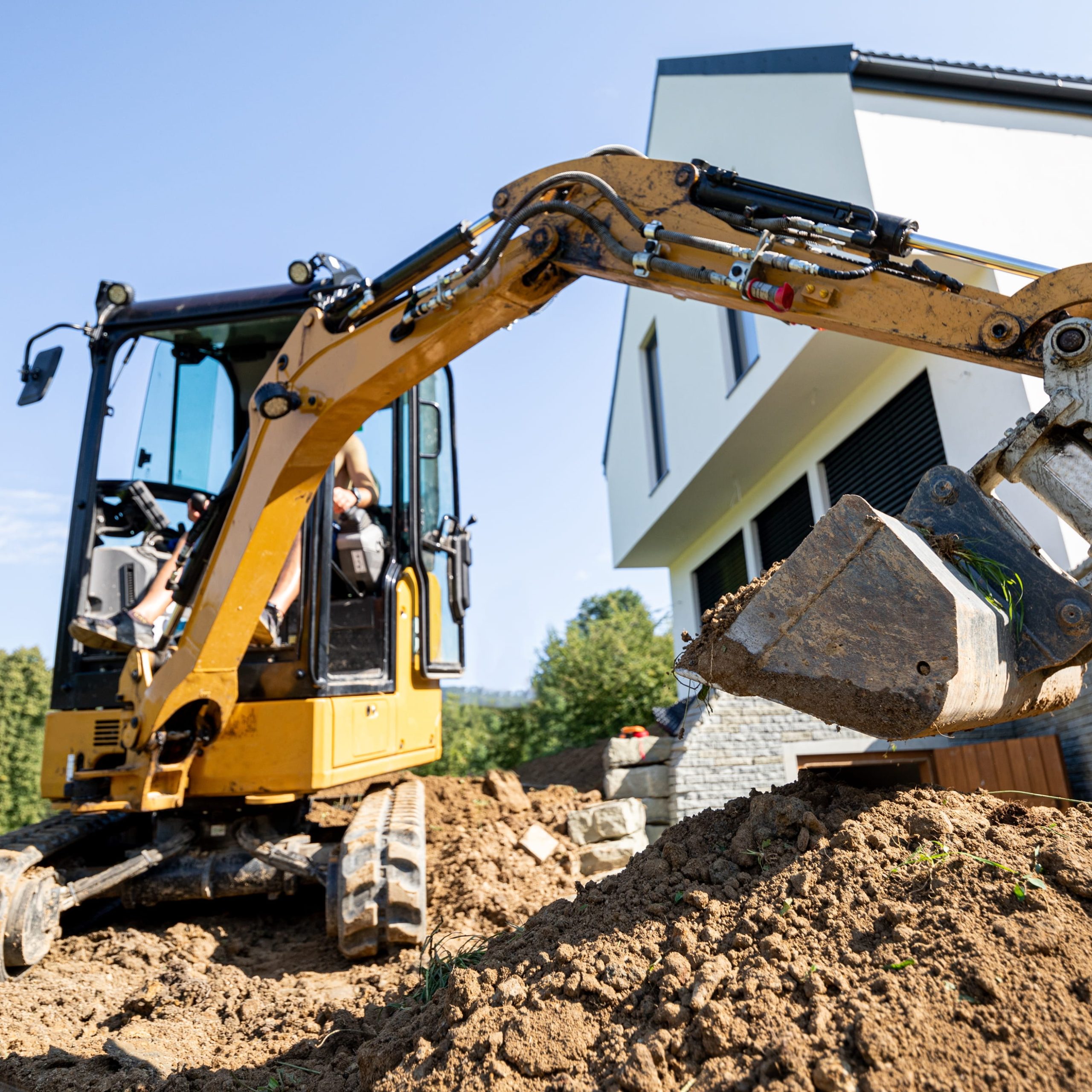
Property owners who know when an excavation permit is required stay on the correct side of Queensland property laws. Small landscape touch-ups do not trigger formal paperwork, leaving you free to complete weekend projects quickly. Larger adjustments that alter the natural layout of your block will need an official look from local building authorities.
The overall size of your machine does not dictate whether you need a permit from the council. The total amount of soil you move and the depth of your cuts determine the legal pathway. Knowing these triggers allows you to plan your work boundaries accurately before earthmoving begins.
The 1-Metre Rule for Earthworks and Landscaping
Brisbane authorities utilise a measurement baseline to separate minor residential landscaping from major earth alterations. As a general guide, if your project involves digging down more than 1 metre, an official operational works permit is usually mandatory. The exact same guideline applies if you intend to pile up clean fill dirt higher than 1 metre above the natural ground level.
- Please note: While the 1-metre threshold is a standard benchmark across the region, specific site conditions, land overlays, and retaining wall locations can alter your legal requirements. You should always confirm your exact project specifications against current Brisbane City Council rules to ensure complete compliance.
Yard levelling projects that alter a slope often pass this threshold faster than most property owners realize. A deep cut into a hill creates steep earth walls that can become unstable during heavy Queensland storm seasons. Monitoring your vertical measurements keeps your site safe and completely legal.
Our range of versatile excavator hire choices allows you to precisely control your digging depth to stay under this critical limit. These machines offer excellent visibility and control, making it easy to shave off small layers of earth at a time. Staying under the 1-metre mark keeps your weekend project rolling without any administrative delays.
Structural Stability and the Zone of Influence
Excavation work near existing structures introduces unique safety challenges that local councils watch very closely. The zone of influence refers to the area of ground that supports the weight of walls, fences, or home foundations. Excavating within this sensitive boundary can cause the surrounding soil to shift, cracking nearby concrete slabs.
The legal framework governing structural modifications states that any work affecting this stable zone requires a building permit. Even a shallow trench can cause a retaining wall to fail if it sits too close to the base of the structure. Identifying these zones keeps your home foundations perfectly intact during nearby digging.
Specialised machinery accessories help you work cleanly around these sensitive areas without shaking the surrounding ground. A professional attachment hire ensures you have the exact tool needed for clean, vibration-free trenching. This careful approach protects neighbouring structures and keeps your project safe.
Differentiating Between Building Work and Operational Work
Brisbane City Council classifies earthworks into two distinct categories based entirely on the final intent of your digging. The council views digging as building work when it directly connects to installing foundations, footings, or structural supports for an approved building. These activities are managed alongside your standard building application through a registered private building certifier.
Operational work applies to general land alterations that happen independently of a primary building structure, such as levelling a yard or creating garden tiers. These applications must go directly through the council office rather than a private certifier. Knowing this distinction ensures you submit your project plans to the correct authority.
Key Benching Excavation Rules Australia Requires for On-Site Safety
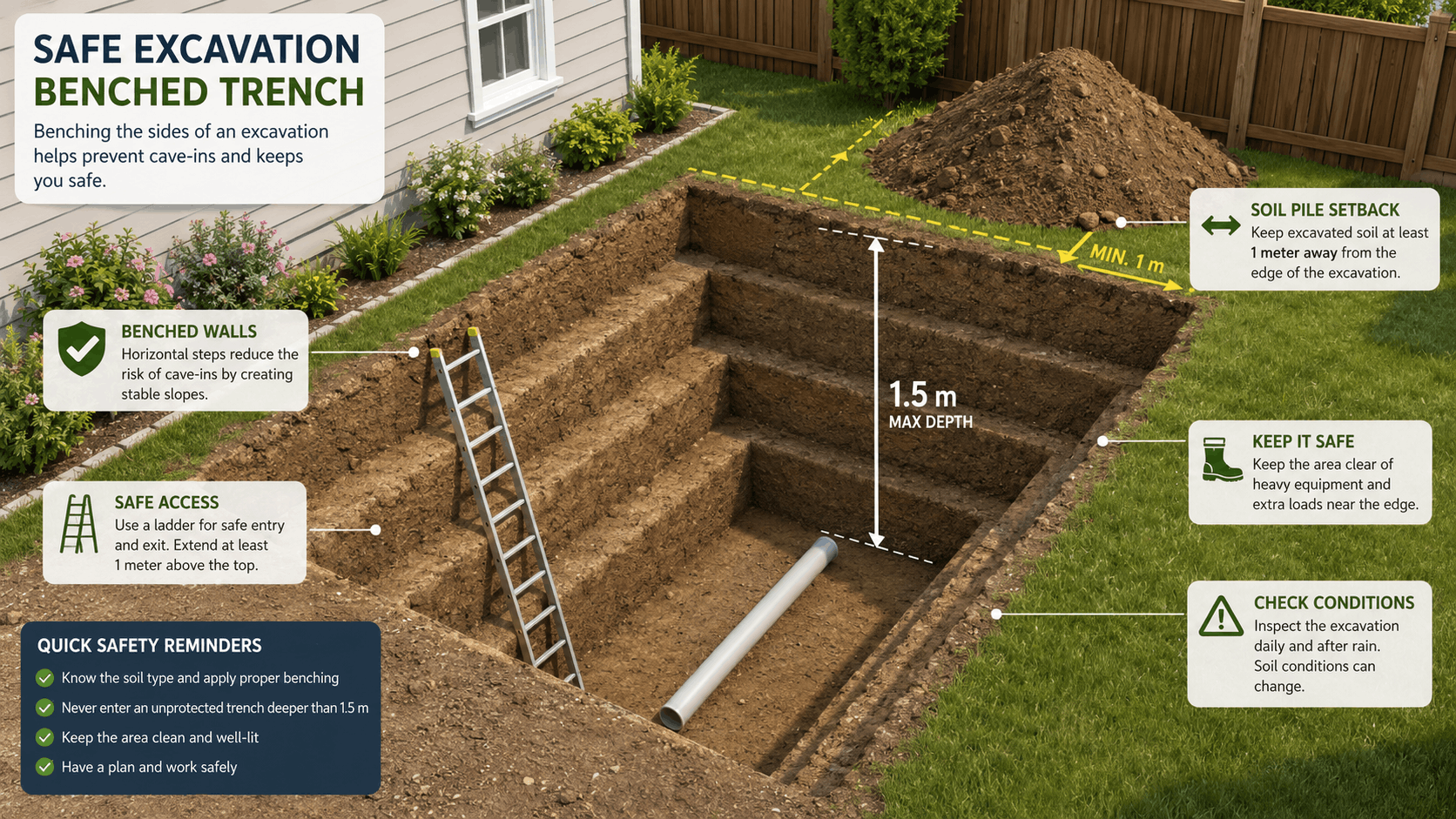
Safety remains the highest priority whenever you dig deep trenches or cut vertical walls into your property. The workplace safety standards outline clear rules for any trench that reaches a depth of 1.5 metres or more. At this point, the risk of sudden soil collapse increases significantly, demanding protective earth setups.
Compliance with the proper benching excavation rules Australia enforces involves cutting horizontal steps into the walls of your deep trench. This specific shape reduces the weight of the upper earth walls, preventing dirt from sliding down onto workers below. Using these safety steps keeps your deep trenching projects secure and compliant with national guidelines.
Step-by-Step Trench Safety
- Analyze the Cut: Measure the trench layout using physical markers once you dig past 1.2 metres deep.
- Step the Walls: Step back horizontally by a set width for every vertical metre you descend deeper.
- Clear the Edge: Store all excavated loose soil mounds at least 1 metre away from the top lip of your trench.
- Secure the Site: Install bright temporary safety fencing around open deep cuts to stop accidental entry overnight.
Choose Ryno Hire for the Best Machinery and Expert DIY Support
A successful backyard transformation requires the right combination of local legal knowledge and reliable earthmoving equipment. Ryno Hire provides a premium selection of dry hire machinery in Brisbane, allowing you to operate the gear yourself using a standard car driver’s licence. This approach gives you complete control over your project timeline and keeps your budget manageable.
Whether you need a compact digger to pass through a narrow side gate or a larger machine for heavy-duty yard levelling, the fleet satisfies every residential need. The team ensures all gear is fully serviced, reliable, and ready to work hard on your block. Relying on quality dry hire equipment allows you to tackle your earthmoving goals with complete peace of mind.
Brisbane Council Standards Versus Common DIY Excavation Alternatives
| Excavation Feature | Council Approved Methods | Unmanaged DIY Alternatives |
|---|---|---|
| Max Cut Depth | Under 1.0m without a permit | Exceeding 1.0m blindly |
| Trench Walls | Benched or shored past 1.5m | Left vertical and hazardous |
| Utility Checks | Dial Before You Dig verified | Guessing pipe locations |
| Soil Stability | Kept within safe zones | Digging too close to footings |
Property owners who follow approved council methods keep their family safe and ensure landscape modifications remain durable. Shortcuts and guesswork regarding your digging depths can create hidden structural hazards that ruin your backyard layout over time. Sticking to the official guidelines guarantees a clean, professional finish.
Utilising a reliable loader hire helps you move soil across your site according to council-approved grading standards. These machines make it easy to distribute clean fill evenly without creating illegal high spots on your property boundaries. Proper soil management keeps your site flat, safe, and fully compliant.
Ready to Start Your Project? Contact Ryno Hire to Book Your Equipment Today
You can easily transform your outdoor space when you combine local permit knowledge with top-tier dry hire equipment. Ryno Hire makes the rental process straightforward, offering competitive weekend rates that give you plenty of time to complete your tasks. By operating the machinery yourself, you save on operator fees and work at a comfortable pace.
Get in touch with the friendly Ryno Hire team on Brisbane’s northside to secure the ideal machine package for your backyard goals. From micro diggers to heavy-duty tipper trucks, the right equipment is ready for your next project. Reach out today to check machine availability and book your gear for a successful DIY weekend.
Frequently Asked Questions (FAQ)
Do you need a permit for excavation in Brisbane?
You do not need a permit if your residential earthworks remain minor and stay under local measurement triggers. However, you will generally require an operational works permit from the Brisbane City Council if your cutting or filling work exceeds a depth or height of 1 metre. A quick check of your local land overlays before you begin ensures you stay within the legal guidelines for your suburb.
When is an excavation permit required for backyard landscaping?
An excavation permit is required when your landscaping plans involve significant changes to the natural level of your property block. This includes cutting into a slope or adding clean fill dirt that exceeds 1 metre in vertical height. You will also need approval if your digging work interferes with protected local trees or public utility lines.
What are the basic benching excavation rules Australia enforces for residential safety?
Benching rules require operators to cut horizontal steps into the vertical walls of any trench that reaches deeper than 1.5 metres. This specific design profile relieves the weight of the soil walls and prevents dangerous cave-ins while people work inside the trench. Following these guidelines ensures your residential site meets national workplace health and safety standards.
How do I know if my digging project is building work or operational work?
Your digging project is classified as building work if the earth moving directly supports or affects the foundations of an approved building structure. Operational work applies when you are altering the ground levels for independent yard landscaping, driveways, or garden tiers. Understanding this difference determines whether you deal with a private certifier or directly with the council.
Can a private building certifier approve my Brisbane City Council excavation application?
A private building certifier can manage and issue permits for building works that fall under the specific state building acts. They cannot issue approvals for independent operational works that change the general profile of your land layout. Those standalone landscaping applications must go directly through the Brisbane City Council development assessment team.
What happens if I violate the excavation rules and regulations in Brisbane?
If you commit property boundary violations or ignore local earthmoving rules, you may face heavy financial penalties and official stop-work orders from council compliance officers. You may also face legal liabilities if your unpermitted digging causes structural damage to neighbouring properties or local utility networks. Rectifying unapproved work often requires expensive site remediation to restore the original land levels.
24 June 2026