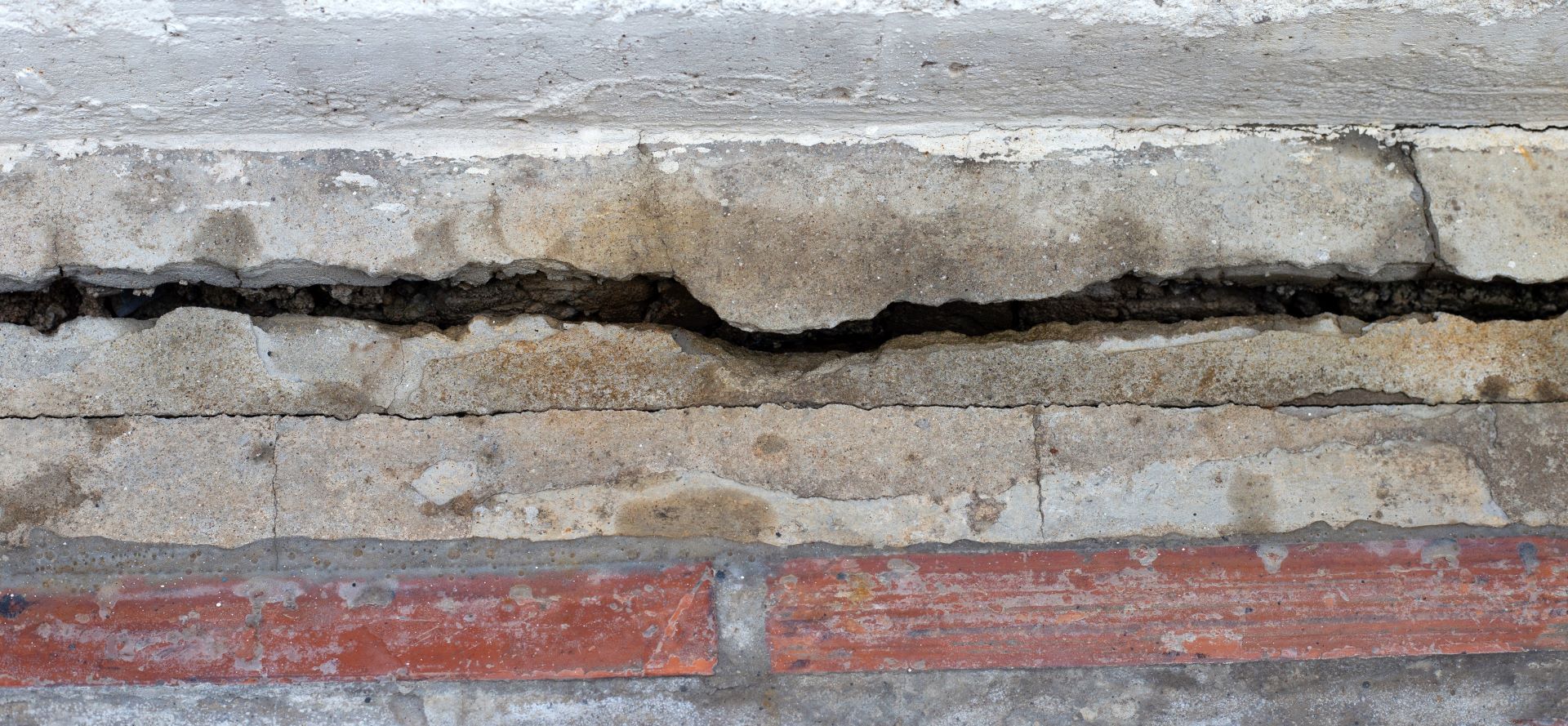
Discovering deep cracks in your brickwork or finding that your front door suddenly sticks can be a stressful experience for any property owner. These warning signs often mean the ground beneath your concrete slab is shifting because of the reactive clay soils Brisbane houses are built upon, a structural issue that the Queensland Building and Construction Commission (QBCC) warns can lead to severe foundation subsidence if left unmanaged.
Managing reactive clay soils Brisbane properties sit on requires consistent ground moisture control to stop your concrete slab from moving. You can protect your property by shifting soil and fixing your ground slopes with simple earthmoving machinery. Proper backyard drainage management can help reduce the risk of long-term structural issues and costly repairs.
Understanding Brisbane Black Soil and Site Reactivity
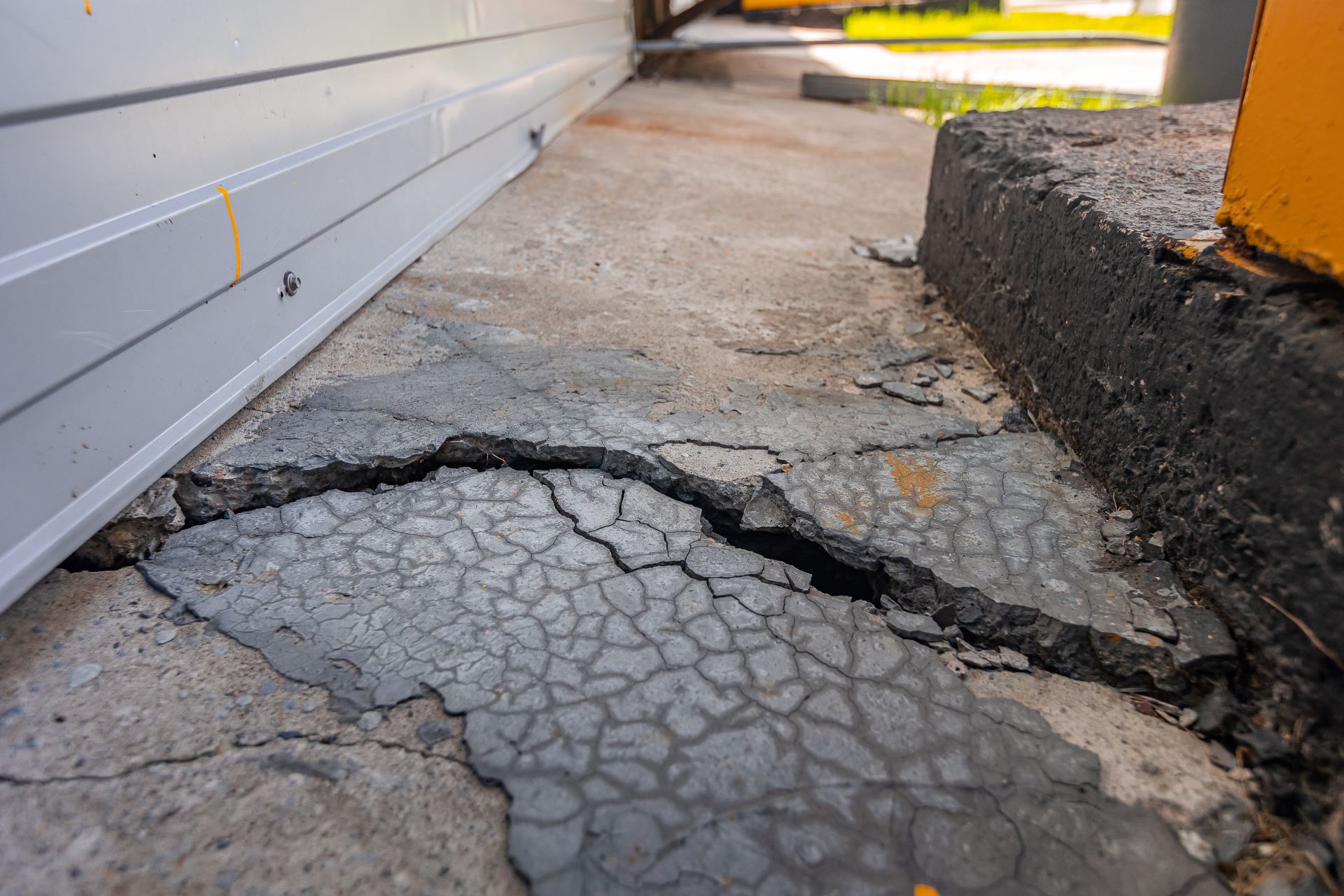
Many suburbs across the city sit on a specific type of earth known locally as Brisbane black soil. According to the Queensland Government Common Soil Types guide, these profiles are officially classified as vertosols, which are the most common soil type in the state and are known as black, grey, or brown soils that crack open when dry. Because this cracking clay covers such a large footprint across our region, these ground conditions are common across many Brisbane suburbs and create a frequent challenge for local property owners.
This specific clay material changes size dramatically based on how much water it holds. When it rains, the soil absorbs moisture and expands significantly. When the weather dries out, the earth shrinks and cracks open. This constant movement puts a lot of stress on everything built on top of it.
Why Clay Causes Foundation Movement
Clay particles are very small and pack tightly together, which allows them to hold large amounts of water. According to the QBCC, if moisture levels become uneven and one part of the ground beneath a building moves more than another, the foundations shift unevenly. When the earth under one side of your house stays wet while the other side dries out, the concrete slab bends. This uneven movement causes the structural frames above to twist and crack.
The Impact of Seasonal Moisture Changes
Brisbane has very wet summers followed by dry winters. This weather pattern makes ground movement worse. During the summer wet season, the ground around your home swells up with water. As the dry winter air approaches, the outer edges of your house lose moisture faster than the middle of the slab. This rapid drying out causes the perimeter of your home to drop, which results in cracked plaster and damaged brickwork.
| Soil Type | Water Behaviour | Impact on Concrete Slabs | Best Use |
| Brisbane Black Soil | Absorbs water and expands heavily. | Causes lifting and cracking | Lawns and landscaped areas away from foundations |
| Non-Reactive Fill | Allows water to drain without changing size | Keeps ground pressure stable | Foundation drainage zones and slab-adjacent grading |
Essential Home Foundation Maintenance Strategies
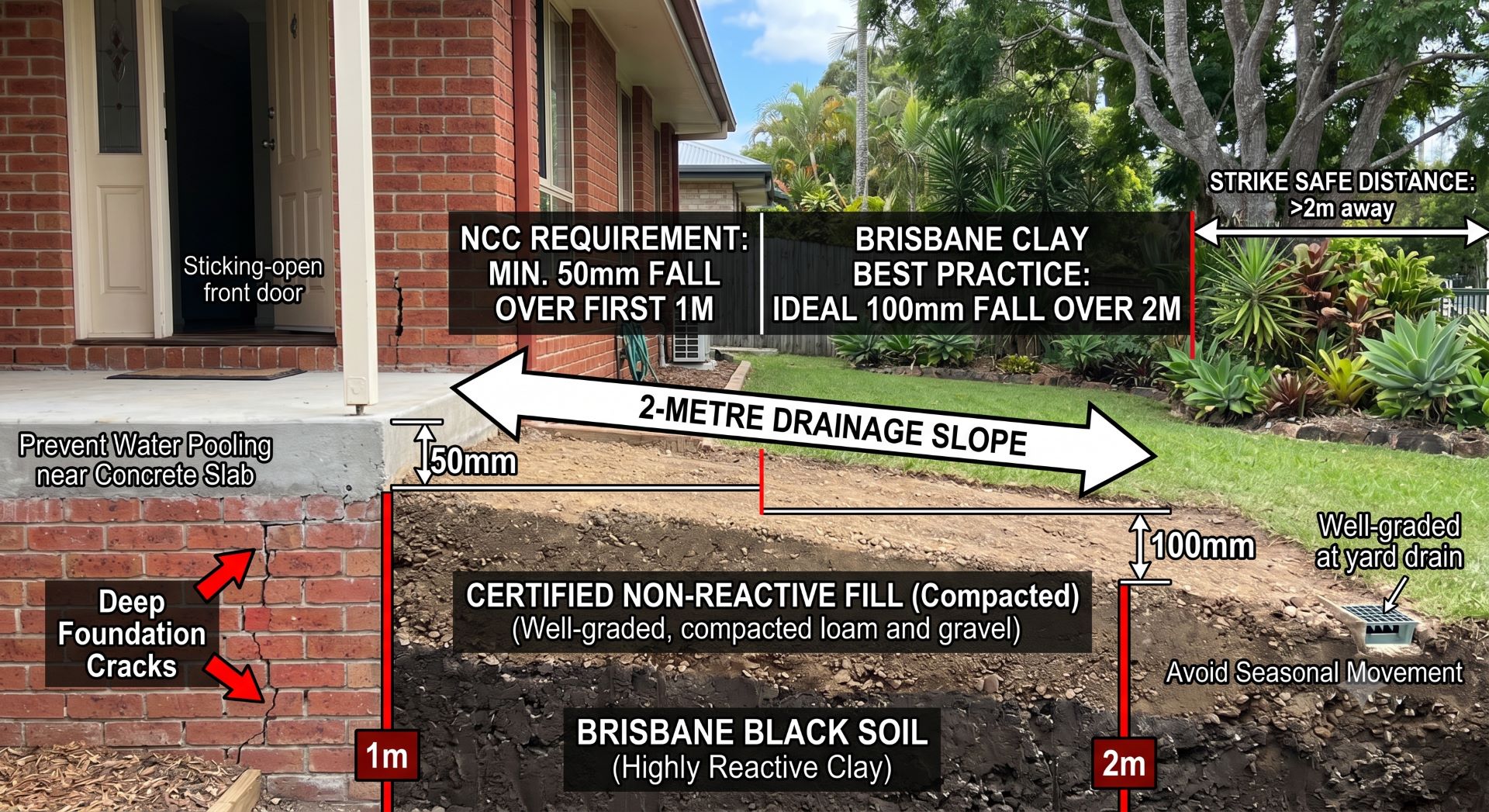
Good home foundation maintenance depends on controlling the water levels in the earth around your concrete slab. You must prevent water from pooling near your walls during heavy downpours. At the same time, you need to prevent the ground from drying out completely during long droughts.
Creating a 2-Metre Drainage Slope for Slab Protection
The most effective way to protect your concrete slab is to build a gentle slope that carries rainwater away from your walls. Following the CSIRO’s guide on foundation maintenance, homeowners should ensure that gardens and large trees are kept at a safe distance from the slab to prevent localized drying of the reactive clay soils Brisbane is known for.
Your ground should drop at least 50 millimetres over the first 1 metre (or 100 millimetres over 2 metres) away from your house structure. This gentle hill ensures that stormwater runs off into your yard drains rather than sinking into the earth next to your footings.
Identifying Non-Reactive Fill vs. Standard Garden Soil
You must choose the right type of earth when building your drainage slope. Standard garden soil contains organic matter that holds water, which makes it a poor choice for foundation protection. You need to use certified non-reactive fill, such as crushed rock or specialized clay-free loam. This material helps improve drainage stability around the foundation area, and it does not shrink or swell when the weather changes.
Hire the Right Equipment for Your Foundation Project
Moving tonnes of heavy dirt by hand with a shovel is exhausting work. Using compact machinery makes the job much easier and helps you achieve an even slope. You can easily move bulk materials from your driveway to your backyard by using mini dumpers. These machines are small enough to fit through standard garden gates, so you can complete your earthworks without damaging your existing fences or pathways.
Step-by-Step Guide to Managing Site Drainage
Preparing Your Site Before the Dry Winter Season
The ideal time to fix your ground slopes is during autumn, before the dry winter air causes the earth to shrink. Start by cleaning out any weeds and loose topsoil within 2 metres of your house walls. Check the heights of your ground to see where water currently pools. You should also make sure your downpipes match up correctly with your stormwater pits before you start moving new earth into place.
Using Earthmoving Equipment for Precision Grading
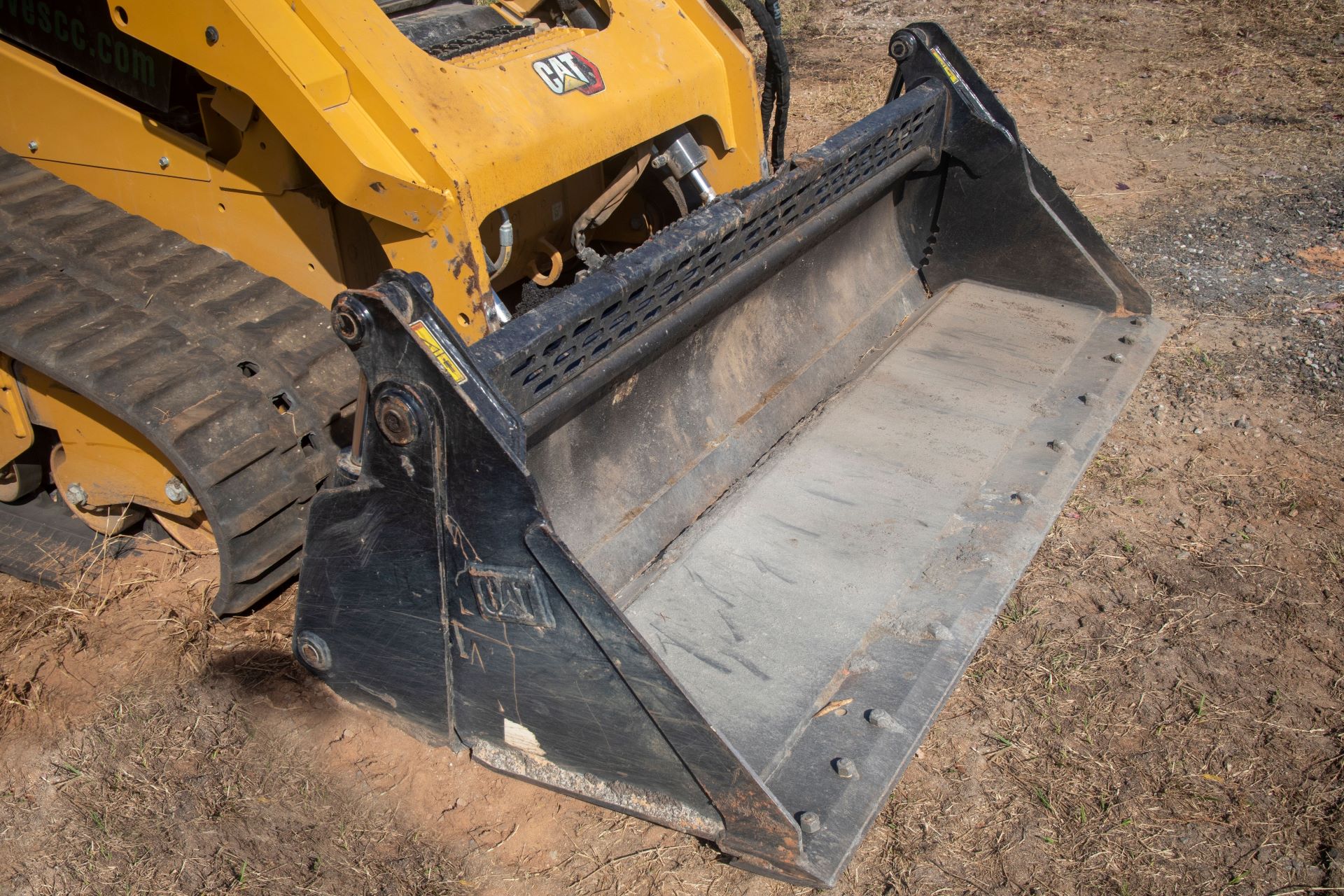
Once your workspace is clear, use a dumper to bring your non-reactive fill into the backyard. Spread the new material evenly along your walls to build up the high point of your slope. You can use tight-access bobcat loaders to scrape and flatten the earth to create the exact angle you need. Run a heavy lawn roller over the area to pack the dirt down so it does not wash away during the next big storm.
Secure Your Hire Today
Taking care of your yard drainage is the best way to avoid costly structural repair bills in the future. Renting your own compact earthmoving gear gives you the freedom to work at your own pace and helps homeowners complete grading work more efficiently and accurately. If you are ready to fix your yard slopes before the dry weather sets in, get in touch with our team to contact us for machine availability and expert advice.
Frequently Asked Questions (FAQ)
What exactly are reactive clay soils Brisbane homeowners talk about?
Reactive clay soils Brisbane contains are types of earth that change volume significantly when their moisture levels alter. This ground expands during wet summer storms and contracts heavily during dry winter periods. This constant movement places immense physical stress on residential concrete slabs and footings.
How does home foundation maintenance prevent cracking?
Good home foundation maintenance keeps the water levels in the ground around your concrete slab steady throughout the year. Diverting heavy rainwater away from your walls prevents the underlying earth from swelling unevenly. This stability stops your home frames from twisting and protects your walls from cracking.
Can I just use garden soil to create my slope?
Standard garden soil is not suitable for building a protective foundation slope because it holds water. Organic garden soil shrinks and swells, which keeps moisture right next to your structural concrete footings. You must use certified non-reactive fill to create a stable drainage layer that sheds water away safely.
When is the best time to perform this maintenance?
The best time to repair your yard drainage slopes is during autumn before the dry winter season begins. Fixing the ground shapes at this time seals moisture into the earth and stops the perimeter from drying out too fast. It also ensures your block is ready to handle the heavy storms of the following summer.
Why do I need a 2-metre slope?
A 2-metre slope ensures that rainwater travels a safe distance away from your structural walls before sinking into the ground. Moving the water away stops the clay directly under your concrete slab from getting wet and moving. This distance provides a safe buffer zone that protects your main foundations from shifting.
Where can I get the equipment to do this myself?
You can get professional earthmoving machinery by booking a dry hire service from a specialized equipment provider. Selecting a dry hire provider means you get to operate the machinery yourself without paying for an external driver. This approach lets you complete your backyard grading work affordably and at your own pace.